Unpermitted Electrical Work: The Paper Trail That Can Unravel Your Insurance, Your Sale, and Your Safety

It begins with a seemingly practical decision. A homeowner wants a new subpanel installed, a bathroom circuit added, or an EV charging outlet run to the garage. They hire someone who offers to do the job quickly and for less money if they skip the permit process. The work gets done. The lights come on. Everyone moves on.
For a while, nothing appears to go wrong.
But behind the drywall, a documentation gap has been created — one that can surface at the worst possible moment. Whether it is during a home inspection, a fire investigation, or a conversation with an insurance adjuster, unpermitted electrical work has a way of appearing precisely when a homeowner is least prepared to deal with it.
Understanding how this situation develops, and why it carries such serious consequences, is essential for any homeowner who wants to protect both their property and their financial security.
What a Permit Actually Does — and Why It Matters
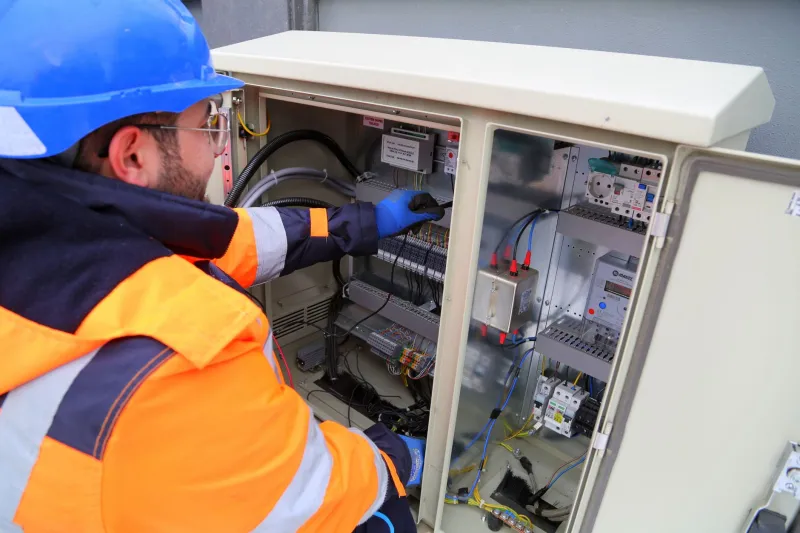
Electrical permits are not bureaucratic formalities. They are a mechanism through which local governments verify that work performed inside a home meets current safety codes. When a licensed electrician pulls a permit, a municipal inspector is required to review the completed work before it is closed out. That inspection creates an official record confirming that the installation was performed correctly and to code.
Without a permit, none of that verification occurs. There is no independent confirmation that the wiring is correct, that the circuit is properly protected, or that the installation does not create a fire hazard. The work exists only on the word of whoever performed it — and in the absence of documentation, that word carries very little legal or financial weight.
In the United States, electrical codes are largely derived from the National Electrical Code (NEC), which is updated every three years and adopted — sometimes with amendments — by states and municipalities across the country. Local jurisdictions enforce these standards through the permitting and inspection process. When that process is bypassed, the homeowner assumes full responsibility for whatever follows.
The Insurance Claim That Never Gets Paid
Homeowners insurance exists to protect against unforeseen losses. What many policyholders do not fully appreciate is that insurance companies investigate the cause of losses before honoring claims — and electrical fires are among the most scrutinized.
When a fire investigator determines that a blaze originated in an area of the home where unpermitted electrical work was performed, the insurer has grounds to deny the claim. The legal principle at work is straightforward: if the homeowner knowingly introduced a non-compliant system into the property, and that system contributed to the loss, the insurer may argue that the policy was effectively voided with respect to that incident.
This is not a theoretical scenario. Insurance claim denials related to unpermitted work are documented across the country, and they leave homeowners facing the full cost of repairs, rebuilding, and temporary housing — with no financial backstop. In cases involving severe structural damage, those costs can easily reach six figures.
Even in situations where a fire was not directly caused by the unpermitted work, an insurer may still reduce a payout or contest a claim if the investigation reveals undocumented alterations to the home's electrical system. The burden then falls on the homeowner to prove the work was performed safely, which is nearly impossible without a permit and inspection record.
What Happens During a Home Sale
For homeowners who eventually decide to sell, unpermitted electrical work introduces a separate category of risk. Most real estate transactions in the United States include a professional home inspection, and experienced inspectors are trained to identify signs of work that was completed without permits.
When unpermitted work is flagged, the consequences can take several forms. A buyer may demand that the seller retroactively permit and bring the work into compliance before closing — a process that can involve opening walls, correcting installations, and paying both permit fees and re-inspection costs. In some jurisdictions, this process also requires disclosure of the original violation, which can affect the property's valuation.
Alternatively, a buyer may simply walk away. In competitive markets, buyers have little incentive to inherit someone else's compliance problems, particularly when those problems involve electrical systems — which carry both safety and liability implications.
Sellers who fail to disclose known unpermitted work may also face legal exposure after closing. In many states, material defects — including unpermitted alterations to major systems — must be disclosed to buyers. Concealing such information can result in post-sale litigation, financial penalties, or the forced unwinding of the transaction.
The Retroactive Permit: More Complicated Than It Sounds
Some homeowners assume that if a problem arises, they can simply apply for a retroactive permit and resolve the issue. While many municipalities do allow after-the-fact permitting, the process is rarely straightforward.
Inspectors conducting a retroactive review are not simply stamping existing work. They are evaluating whether the installation meets current code — which may have changed significantly since the work was originally performed. If the installation does not meet today's standards, the homeowner may be required to bring it into full compliance before a permit can be issued. That can mean tearing out and replacing work that was otherwise functional, at considerable expense.
In some cases, municipalities treat unpermitted work as a code violation in its own right, separate from the quality of the installation. Fines and remediation timelines may apply, adding both cost and urgency to a situation that could have been avoided entirely with a permit at the outset.
A Note on Who Performs the Work
It is worth addressing a common misconception: that unpermitted work is primarily the result of unlicensed contractors operating outside the system. In reality, many homeowners knowingly allow or request that licensed contractors skip the permit process in exchange for lower pricing or faster completion timelines.
Both parties bear responsibility in these arrangements, but the homeowner typically bears the greater long-term risk. The contractor may face professional consequences if discovered, but the liability for the installation — and the consequences of any losses tied to it — rests with the property owner.
When engaging any electrical contractor, homeowners should confirm in writing that all required permits will be obtained prior to work commencing. A reputable contractor will have no hesitation making this commitment. Resistance to the permitting process is itself a meaningful warning sign.
Protecting Yourself Going Forward
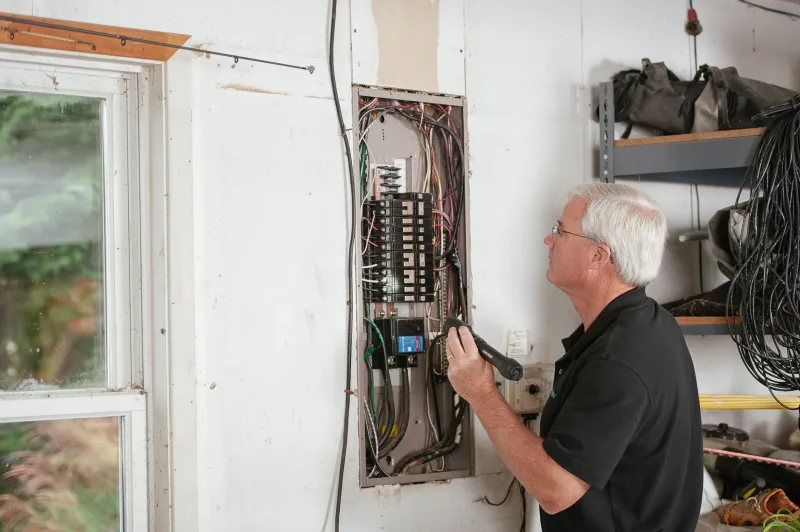
For homeowners who suspect unpermitted electrical work may exist in their property, the most prudent course of action is to consult with a licensed electrician and, where appropriate, the local building department. Proactively identifying and addressing compliance gaps — before a claim, an inspection, or a sale forces the issue — is almost always less costly than reacting after the fact.
At SK Electricals, every installation and upgrade we perform is completed in full compliance with applicable codes and permit requirements. We believe that doing the job right means doing it with documentation — because a properly permitted installation protects not just the homeowner's safety, but their financial interests for as long as they own the property.
The permit fee is not a cost to avoid. It is the price of certainty.