When the Storm Wins: How a Failed Sump Pump Can Turn a Basement Into a Disaster Zone
The Cruel Irony of Sump Pump Failure
There is a painful contradiction built into the way most American homes handle basement flooding. The sump pump—a device specifically designed to expel water during heavy rainfall—draws its power from the same electrical grid that storms routinely disable. When a nor'easter batters the Mid-Atlantic, when a Gulf Coast squall pushes inland, or when a Midwestern thunderstorm drops three inches of rain in under an hour, the conditions that demand peak sump pump performance are often the exact conditions that cut power to the home entirely.
The result is predictable and costly. According to industry estimates, water damage is among the most expensive home insurance claims filed each year in the United States, with basement flooding incidents frequently exceeding $10,000 in remediation costs alone—before mold remediation, structural repairs, or the replacement of personal property is factored in. For many homeowners, the financial shock arrives not because they lacked a sump pump, but because that pump had no power when it mattered most.
Understanding Where Your Current Setup Falls Short
Before evaluating solutions, it is worth conducting an honest assessment of your existing sump pump configuration. Most residential sump pumps are standard 120-volt AC units wired directly into a dedicated circuit on the home's electrical panel. They perform reliably under normal conditions. The problem is that "normal conditions" rarely describe the circumstances under which basements flood.
Start by identifying your pump's age and condition. Sump pumps typically have a service life of seven to ten years, and a unit approaching that threshold may already be operating below optimal capacity. Next, examine whether your pump is connected to a ground fault circuit interrupter (GFCI) outlet—as it should be, per the National Electrical Code—and whether that circuit has a dedicated breaker that is clearly labeled in your panel.
More critically, ask yourself what happens the moment utility power is interrupted. If your honest answer is "nothing—the pump stops," then your basement is unprotected during the period of greatest risk.
The Two Primary Backup Electrical Solutions
Homeowners evaluating backup power for sump pump systems generally have two viable paths: battery backup systems and standby generators. Each carries distinct advantages, limitations, and installation considerations.
Battery Backup Sump Pumps
A dedicated battery backup sump pump is the most targeted solution available. These systems pair a secondary pump—typically powered by a sealed lead-acid or lithium battery—with the primary unit. When utility power fails, the battery system activates automatically, maintaining water removal without any manual intervention.
The appeal of this approach lies in its simplicity and immediacy. There is no startup delay, no fuel management requirement, and no need to manually engage the system during an emergency. A properly sized battery backup can typically operate for several hours of continuous pumping, or longer under intermittent demand, which covers the duration of most residential power outages.
The limitations are equally important to understand. Battery backup systems are secondary pumps; they are not designed to handle the same volume as a primary unit. During extreme flooding events, a battery backup alone may be insufficient if the water intrusion rate exceeds the secondary pump's capacity. Battery health also degrades over time, meaning periodic testing and eventual battery replacement are ongoing maintenance responsibilities.
From an electrical installation standpoint, these systems require proper wiring to ensure seamless failover and to prevent backfeed or circuit conflicts. A licensed electrician should evaluate the installation to confirm compatibility with your existing panel and GFCI requirements.
Whole-Home or Portable Standby Generators
A generator solution addresses backup power more broadly. A permanently installed standby generator—fueled by natural gas or propane and connected to an automatic transfer switch—can restore power to the entire home within seconds of a utility outage. This means your sump pump, along with your HVAC system, refrigerator, and lighting, continues to operate as though nothing happened.
For homeowners in flood-prone regions or areas with frequent storm-related outages, a standby generator represents a compelling long-term investment. The automatic transfer switch is a critical component here: it isolates your home's electrical system from the utility grid before engaging the generator, protecting both your equipment and utility workers from dangerous backfeed conditions.
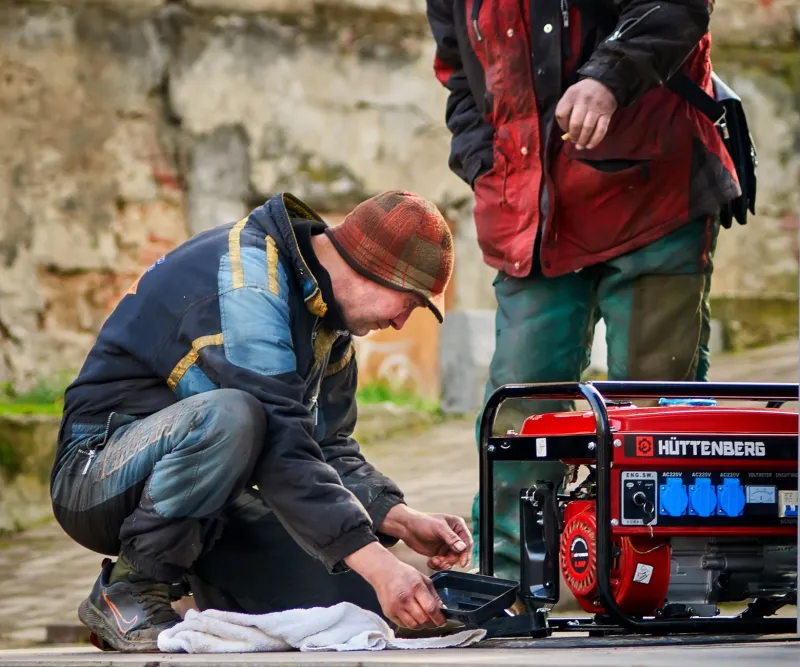
Portable generators offer a lower-cost alternative, but they introduce operational complexity during an emergency. They must be manually started, positioned safely outdoors to prevent carbon monoxide intrusion, and connected through a transfer switch or interlock kit—never through a direct panel connection, which is both illegal and potentially fatal. The National Electrical Code and local building codes strictly govern generator interconnection, and improper installation can void homeowner's insurance coverage.
What a Proper Electrical Assessment Looks Like
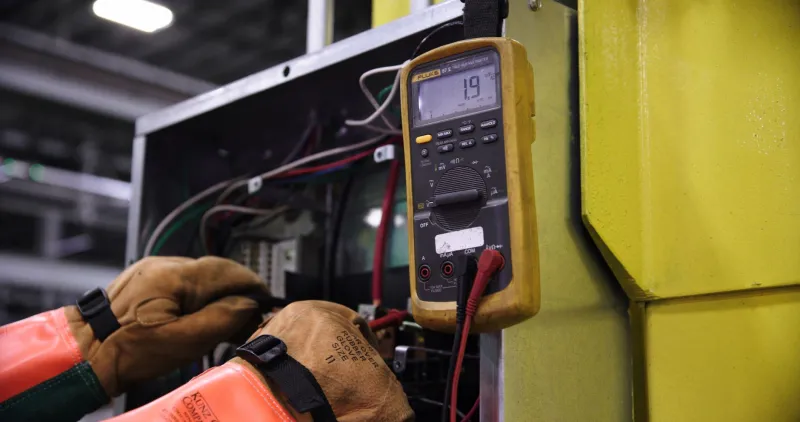
Regardless of which backup solution you pursue, the process should begin with a professional evaluation of your home's electrical infrastructure. A qualified electrician will examine your panel's available capacity, assess the condition and rating of your sump pump circuit, identify any code deficiencies in the existing setup, and recommend appropriately sized backup equipment.
This step is frequently skipped by homeowners who purchase a battery backup unit or generator at a hardware store and attempt self-installation. The consequences range from nuisance tripping of breakers to genuine safety hazards, including electrical fires and shock risks in already-wet conditions. Water and electricity demand the highest standard of installation quality—there is no margin for error when both are present simultaneously.
An electrical contractor can also ensure that your backup system is installed with proper disconnect switches, appropriate weatherproofing for any outdoor components, and clear labeling within your panel—all of which matter both for safety and for any future insurance claims.
Building Electrical Resilience Before the Next Storm
Emergency preparedness conversations often focus on flashlights, bottled water, and evacuation routes. Electrical infrastructure rarely receives the same attention—until the moment it fails. A sump pump without reliable backup power is a liability disguised as a safeguard, offering a false sense of security to homeowners who may not realize the gap in their protection.
The investment required to close that gap is modest relative to the potential cost of a flooded basement. Battery backup systems are available across a range of price points, and the electrical work required to install them correctly is straightforward for a licensed professional. Generator installations involve greater upfront cost but deliver broader resilience across multiple home systems.
What both solutions share is the requirement for proper electrical planning and installation. The reliability of any backup power system is ultimately a function of how well it is integrated into your home's existing electrical infrastructure—and that integration is work best entrusted to a qualified electrician who understands both the technical requirements and the stakes involved.
When the next major storm arrives, your sump pump will either have power or it will not. The time to make that determination is now, not during the event itself.