Passing Inspection on Paper, Failing in Practice: The Residential Electrical Code Violations Most Homeowners Never See Coming
There is a persistent assumption among homeowners that if the lights are on and nothing has caught fire, the electrical system is fine. It is an understandable conclusion—electricity is largely invisible, and most homes function for years without an obvious crisis. But when an inspector walks through a property with a code manual and a flashlight, a very different picture often emerges.
The violations that generate the most concern during home inspections are rarely the dramatic ones. They are not melted panels or exposed wires dangling from the ceiling. They are the subtle, accumulated deviations from the National Electrical Code (NEC) and local amendments that have built up over decades of DIY projects, outdated installations, and well-meaning shortcuts. And in today's environment—where inspectors are better trained, buyers are more informed, and insurance underwriters are more demanding—these issues are being flagged at a rate that is catching homeowners off guard.
Why Inspectors Are Looking More Closely Than Ever
The NEC is updated on a three-year cycle, and while not every jurisdiction adopts each revision immediately, the general trend across the United States has been toward stricter enforcement and broader adoption of newer standards. At the same time, the real estate market has prompted more thorough pre-listing and buyer inspections, and insurance carriers have grown increasingly attentive to electrical risk factors following a rise in claims tied to residential electrical fires.
The result is an inspection environment where violations that might have been overlooked a decade ago are now documented, disclosed, and in some cases, required to be remediated before a transaction can close. For homeowners who have lived in their homes for years without issue, this can feel sudden and unfair. But the code exists not to inconvenience property owners—it exists because electrical failures are among the leading causes of residential fires in the United States, according to the National Fire Protection Association.
The Violations That Appear Most Frequently
Missing or Improper GFCI Protection
Ground fault circuit interrupter outlets are required in any location where water and electricity might come into proximity: bathrooms, kitchens, garages, unfinished basements, outdoor receptacles, and areas near pools or hot tubs. The NEC has progressively expanded where GFCI protection is mandated, and homes built or partially renovated before these expansions often lack compliant coverage.
Inspectors find missing GFCI protection in kitchens where only one outlet near the sink was upgraded, garages where older receptacles were never updated, and outdoor circuits that feed lighting or appliance outlets without any protection at all. This is one of the most cited violations precisely because the fix is relatively straightforward—but only if someone identifies the gap in the first place.
Absence of AFCI Breakers in Required Circuits
Arc fault circuit interrupter breakers are required under current NEC standards for most living areas, including bedrooms, family rooms, dining rooms, and hallways. These devices detect the kind of irregular electrical arcing that standard breakers miss—arcing that can ignite insulation inside walls without ever tripping conventional overcurrent protection.
Because AFCI requirements were phased in over multiple code cycles, older homes and even homes that have undergone partial renovations frequently lack these breakers. An inspector working from current standards will note their absence, and depending on the jurisdiction, remediation may be required or strongly recommended.
Improper Panel Wiring and Double-Tapped Breakers
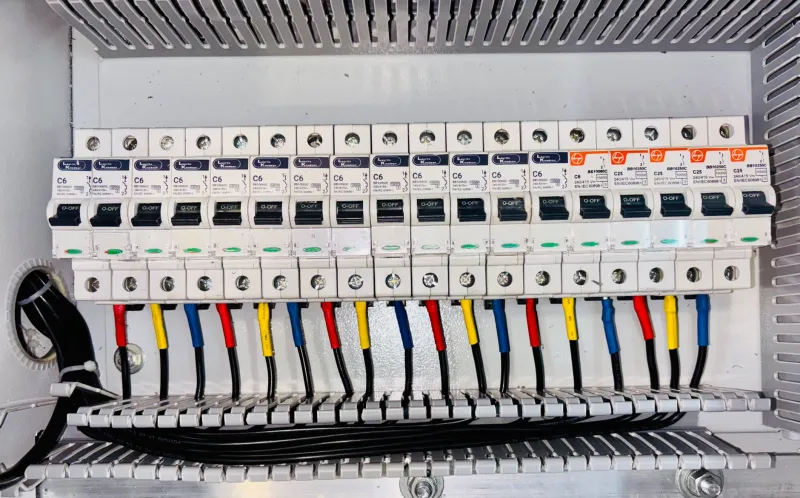
A double-tapped breaker—where two separate circuit conductors are connected to a single breaker terminal not rated for that configuration—is among the most common panel violations found in residential inspections. It frequently results from DIY additions where a homeowner or unqualified installer added a circuit without installing a new breaker. The breaker cannot reliably protect both circuits, and the connection itself can loosen over time, creating a fire and shock hazard.
Related issues include mismatched wire gauges, breakers that are not rated for the conductors they protect, and panels that have been modified in ways that compromise the original design. These violations are not always visible without removing the panel cover, which is why they persist for years undetected.
Insufficient Outlet Spacing in Living Areas
The NEC specifies that no point along a wall in a habitable room should be more than six feet from a receptacle. This standard exists to reduce the use of extension cords, which are a significant source of residential electrical fires when used as permanent wiring substitutes. Older homes routinely fall short of this spacing requirement, and additions or finished basements completed without permits are frequent offenders.
This violation does not typically cause immediate danger, but it does create conditions where extension cords and power strips are used in ways they were never intended—and that indirect risk is exactly what the code is designed to prevent.
Missing Junction Box Covers and Open Splices
Electrical splices and connections must be enclosed in covered junction boxes. It sounds elementary, but inspectors regularly encounter wiring connections made in attics, crawlspaces, and unfinished basements where covers were never installed, were removed and not replaced, or where wires were simply twisted together and left exposed. These open connections are vulnerable to physical damage, moisture intrusion, and the kind of loose contact that generates heat over time.
Improper Use of Extension Cords as Permanent Wiring
This is not strictly a hidden violation—it is often quite visible—but it is one that homeowners frequently rationalize as temporary even when it has been in place for years. Running extension cords through walls, under carpets, or as permanent feeds to appliances violates the NEC and creates serious fire risk. Inspectors will document this, and it reflects poorly on a property's overall electrical condition.
What Happens When These Violations Surface
During a real estate transaction, documented electrical violations can delay closing, reduce a property's negotiated value, or trigger mandatory remediation requirements. In jurisdictions with active code enforcement, a permit pull for an unrelated renovation can prompt an inspection that surfaces pre-existing violations—requiring correction before the new work is approved. Insurance carriers reviewing a home following a claim or policy renewal may also flag electrical deficiencies and impose coverage conditions or exclusions.
Beyond the financial and transactional consequences, the safety implications are real. Most of these violations exist in a slow-burn category: they do not cause immediate harm, but they create conditions where a single additional stressor—a loosened connection, a moisture event, an overloaded circuit—can escalate into a fire or serious injury.
Addressing Violations Before They Become Crises
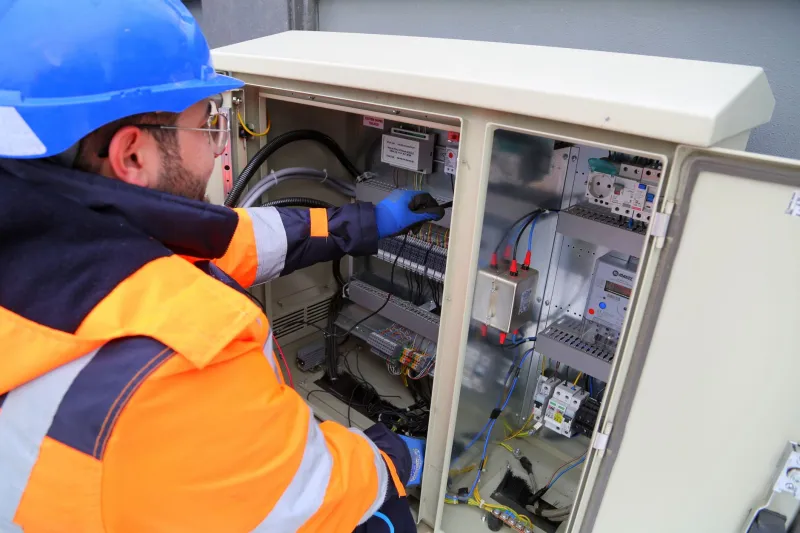
The most effective approach is proactive rather than reactive. A qualified licensed electrician can perform a thorough inspection of your home's electrical system against current NEC standards and applicable local amendments, identifying gaps before an inspector, insurer, or buyer does. This kind of assessment is particularly valuable for homes built before 1990, homes that have undergone DIY modifications, and properties that are being prepared for sale or refinance.
At SK Electricals, we work with homeowners across the country to evaluate existing electrical systems, document what needs attention, and execute the corrections in a way that brings properties into full compliance. The goal is not to generate unnecessary work—it is to ensure that the electrical infrastructure protecting your home and family is doing what it was designed to do.
Code compliance is not a bureaucratic formality. It is the accumulated knowledge of what goes wrong in electrical systems and what prevents those failures from becoming tragedies. If your home has never had a formal electrical review, there is a reasonable chance it contains at least some of the violations described here. The question is whether you discover them on your own terms—or under pressure, when the stakes are much higher.