Warm Water, Cold Facts: Electrical Due Diligence for Anyone Buying or Installing a Hot Tub
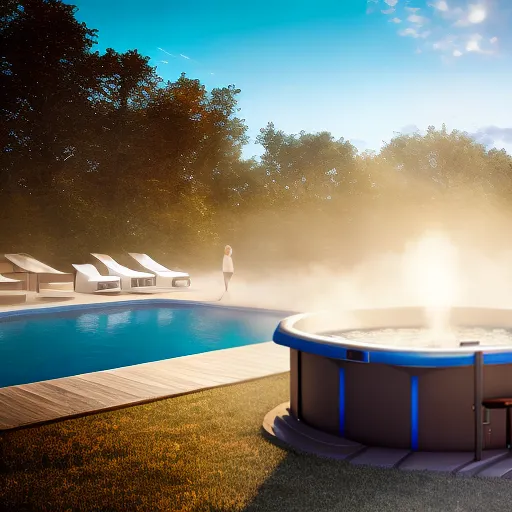
Photo: Swimspaslab, CC BY-SA 4.0, via Wikimedia Commons
A hot tub is sold as a lifestyle purchase: warm water, a deck, a quiet evening. Electrically, it is something else entirely. A spa is one of the most demanding loads a residence will ever host, it sits outdoors in the weather, and it puts people in contact with water while they use it. Every requirement in the electrical code that governs spa installations exists because of that combination, and every shortcut taken around those requirements is a shortcut taken around a person.
A 240-Volt Appliance Sitting in a Puddle
A typical residential spa draws 50 to 60 amps at 240 volts and may run a heater, a circulation pump, and a blower simultaneously. That load requires a dedicated circuit sized to the nameplate, generally with conductors considerably larger than the branch circuits elsewhere in the home. On a long run to a rear corner of a property, voltage drop becomes a design consideration rather than a footnote, because undersized conductors do not merely waste energy. They leave terminations warmer than they should be, and warm terminations are where failures begin.
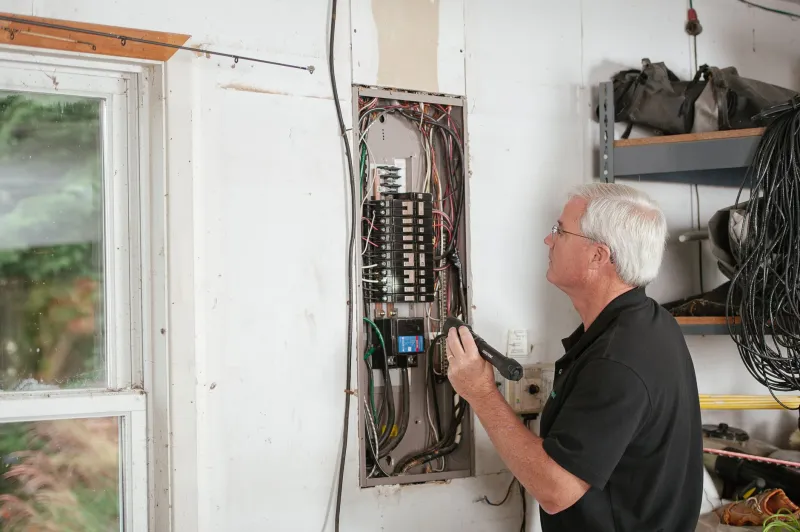
Beyond ampacity, the installation involves three distinct systems that are easy to confuse and expensive to omit: equipment grounding, equipotential bonding, and ground-fault circuit interrupter protection. Each does a different job. Bonding, in particular, is the one most often misunderstood, because it looks like grounding and is not.
The Requirements Most Installations Miss
- A dedicated circuit, correctly sized. The spa should not share capacity with a dryer, a range, or a shop circuit.
- Ground-fault protection. The circuit supplying the spa must be protected by a ground-fault circuit interrupter. This is not optional and not a substitute for bonding.
- A disconnecting means in sight. A service switch must be readily accessible and located within sight of the equipment, at a code-required distance from the water so that it can be reached without stepping into the tub area.
- Equipotential bonding. Metal parts of the spa equipment, metal conduit, and metal surfaces within the defined zone around the water must be connected to a bonding grid, typically with a solid copper conductor sized by code. The purpose is to eliminate voltage differences between surfaces a bather might touch at the same moment.
- Receptacles kept back. Convenience receptacles near a spa must be located at a specified distance from the water, and their covers must be weather-resistant.
- Wiring methods rated for wet locations. Cable and conduit installed outdoors must be suitable for the environment, including where they emerge from grade.
Shortcuts That Survive a Casual Look
Most failed spa installations do not look failed. The water heats, the jets run, and the deck looks finished. The defects are inside the cabinet, behind the skirt, or buried at the panel.
The most common is a missing or incomplete bonding grid, sometimes replaced by a conductor run to a ground rod on the theory that grounding and bonding are interchangeable. They are not. Another is a ground-fault device installed at the wrong point in the circuit, or a device rated for a lower voltage feeding a 240-volt load. Others include no disconnect at all, a disconnect tucked behind the equipment cabinet where it cannot be reached in an emergency, splices made with twist connectors inside a wet compartment, cable run through a deck without protection, and a spa connected to an existing circuit by an adapter rather than a new dedicated run.
Deck construction deserves its own mention. A filled spa weighs several tons, and an installation on a structure never designed for that load is a structural problem that electrical work cannot solve.
Permits, Inspection, and the Paper Trail
A spa installation is permitted work in nearly every jurisdiction in the United States, and the inspection is the moment when bonding, ground-fault protection, and disconnecting means are actually verified by someone with authority to look. When a homeowner asks whether a permit was pulled, they are not asking a bureaucratic question. They are asking whether anyone independent ever opened the cabinet.
Unpermitted work also travels badly. It can complicate a sale, complicate an insurance claim after a fire or shock incident, and complicate a warranty claim against the manufacturer, who will reasonably ask who installed the equipment and to what standard.
Questions to Ask Before Buying a Home With a Hot Tub
An existing spa is a negotiating item, not a bonus. Buyers should ask, and get written answers to, the following:
- When was the spa installed, and who performed the electrical work?
- Was a permit obtained, and is there a record of final inspection?
- Where is the disconnecting means, and is it reachable without entering the tub area?
- Has the ground-fault protection been tested, and when?
- Is there documentation of the bonding connection to the equipment and surrounding metal?
- What is the rating of the circuit, and is there capacity left in the panel?
- Was the deck or slab evaluated for the weight of a filled spa?
- Is the manufacturer's manual on site, with the nameplate ratings legible?
If the seller cannot answer the permit and disconnect questions, the appropriate response is not to walk away from the house. It is to price an electrical evaluation into the transaction.
What Ownership Requires After the Install
Once the spa is running, the maintenance burden is small but real. Test the ground-fault device monthly using its test button, and treat a device that will not reset as a fault to be diagnosed rather than an inconvenience to be worked around. Keep the disconnect clear of stored items. Have terminations inside the equipment compartment inspected periodically for corrosion, which is the slow precursor to a loose connection. Repeated nuisance tripping often points to moisture in the heater element, and it should be investigated rather than reset indefinitely.
Finally, tell your insurer. A spa is a structure, an attractive nuisance, and a water feature at the same time. A policy that never knew it existed is a policy that will ask hard questions at the worst possible moment.
Luxury is the point of a hot tub. Safety is the condition of enjoying it, and both are decided long before the water gets warm.