Before You Plug In: What Every Homeowner Must Confirm Before Installing an EV Charger
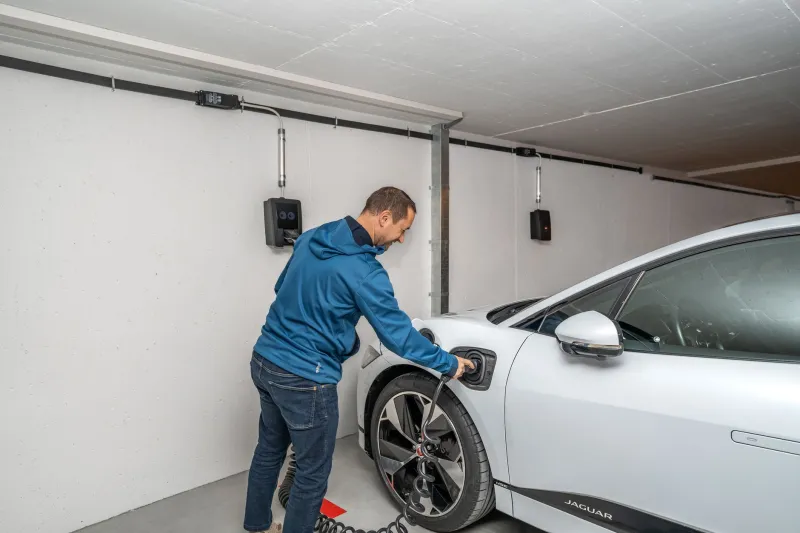
Electric vehicles are no longer a novelty on American roads. From suburban driveways in Ohio to urban parking structures in California, EV adoption is accelerating at a pace that is reshaping how homeowners think about their electrical systems. For many buyers, the convenience of charging at home is one of the primary appeals—but that convenience depends entirely on whether your home is ready to support it.
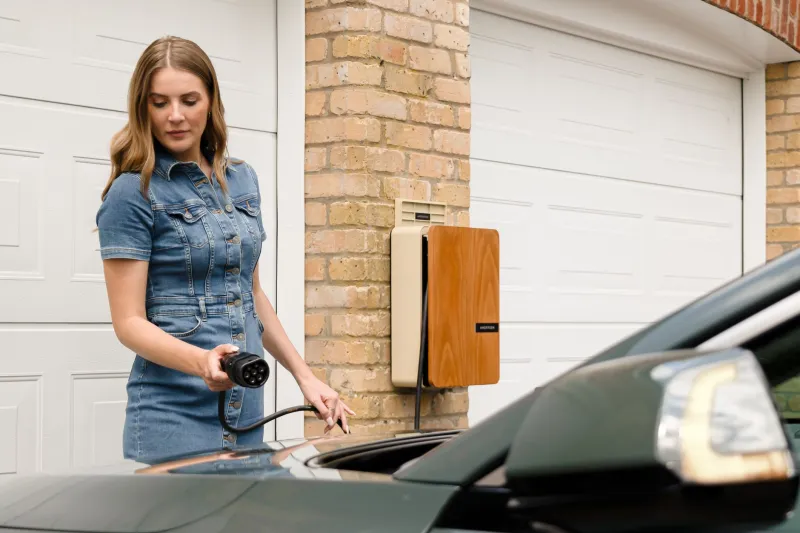
The installation of a Level 2 home charging station is a meaningful electrical upgrade, not a simple plug-and-play addition. Before you finalize a vehicle purchase or order a charger unit, there are several critical infrastructure factors that must be evaluated. Understanding these ahead of time will save you money, prevent delays, and ensure the job is completed safely and up to code.
Understanding the Difference Between Level 1 and Level 2 Charging
Not all home charging is the same. A standard 120-volt household outlet—what electricians classify as Level 1—will technically charge an EV, but at a rate of only three to five miles of range per hour. For most drivers, that simply is not practical for daily use.
Level 2 charging operates on a 240-volt circuit, the same voltage used by electric dryers and ranges. It delivers between 20 and 30 miles of range per hour, making it the realistic standard for home use. This is the type of installation that requires professional electrical work and the type your electrician will be assessing your home to support.
Start With Your Electrical Panel
Your main electrical panel is the foundation of any serious home upgrade conversation. Before an electrician can commit to an EV charger installation, they need to evaluate two things: your panel's total amperage capacity and how much of that capacity is already being consumed.
Most older American homes were built with 100-amp service panels. While that was sufficient for the appliances of previous decades, today's homes—with HVAC systems, electric appliances, smart home devices, and now EV chargers—frequently require 200-amp service or more. A Level 2 charger typically draws between 32 and 50 amps on a dedicated circuit, which is a substantial load to add to an already stretched panel.
Before your consultation, locate your electrical panel and note the total amperage rating printed on the main breaker. If you are unsure where to find this, your utility bill or a previous home inspection report may include that information. Bring this to your electrician's attention immediately—it is one of the first things they will need to assess.
Determine Whether a Dedicated Circuit Is Available
A home EV charger must be installed on a dedicated circuit. This means no other appliances or outlets share the same breaker. If your panel is already at or near capacity, your electrician may need to install a subpanel, reroute existing circuits, or recommend a full panel upgrade before the charger can be safely added.
Ask yourself: When was your electrical panel last upgraded? If the answer is more than 20 years ago, or if you are uncertain, assume that an evaluation will be necessary. Panels that are outdated, undersized, or showing signs of wear can pose serious safety risks when new high-draw equipment is introduced.
Know Your Garage or Parking Area's Existing Wiring
The physical location of your charger matters considerably from a wiring standpoint. Most homeowners prefer to install the unit in a garage or carport, but the distance between that location and your electrical panel determines how much conduit and wiring will be required—directly affecting labor and materials costs.
Before your electrician visits, take note of the following:
- The distance from your panel to the planned charger location. Longer runs require more wire and may involve routing through walls, crawlspaces, or exterior conduit.
- Whether your garage currently has any 240-volt outlets. If a dryer outlet or similar circuit already exists nearby, your electrician may be able to leverage existing infrastructure.
- The condition of any existing garage wiring. Older wiring that does not meet current National Electrical Code (NEC) standards may need to be replaced or supplemented.
Research Your Local Permit Requirements
In virtually every jurisdiction across the United States, the installation of a 240-volt EV charging circuit requires a permit. This is not a bureaucratic inconvenience—it is a legally mandated process that ensures the work is inspected and confirmed safe by a qualified authority.
Permit requirements vary by city and county. Some municipalities have streamlined the process specifically because of growing EV adoption, while others maintain more involved review procedures. Utility companies may also have specific interconnection requirements if you are pairing your charger with a solar system or battery storage.
A licensed electrical contractor will handle permit applications on your behalf, but it is helpful to contact your local building department in advance to understand the general timeline. In some areas, permit approval can take several weeks, which may affect your installation schedule.
What to Gather Before Your Electrician Arrives
A productive consultation depends on the information you are able to provide. The more prepared you are, the more accurate your estimate and project timeline will be. Consider assembling the following before your appointment:
- Your panel's amperage rating and age (found on the main breaker or panel door label)
- Your current average monthly electricity usage (available on your utility bill)
- The make and model of the EV charger you are considering, or the vehicle manufacturer's recommended specifications
- Photos or measurements of the garage or installation area, including the distance to the panel
- Any HOA rules or lease agreements that may affect exterior wiring or charger placement
- Your utility provider's name, as some offer rebates or time-of-use rate programs specific to EV charging
Questions Worth Asking During the Consultation
Once your electrician is on-site, the conversation should go beyond a simple quote. Use the consultation as an opportunity to understand the full scope of the project. Consider asking:
- Does my panel have sufficient capacity, or will an upgrade be necessary? This question alone can significantly change the project's budget and timeline.
- What amperage circuit do you recommend for my charger? A 50-amp circuit with a 40-amp charger offers more flexibility than a tighter fit.
- Are there any code compliance issues with my existing wiring? An honest answer here can prevent costly surprises later.
- Will this installation qualify for any utility rebates or federal tax credits? Federal incentives for EV charging equipment are currently available under certain conditions, and your electrician may be able to advise on eligibility.
- What is the expected timeline from permit application to final inspection?
The Value of Doing This Right
An EV charger installation done properly is a long-term investment in both convenience and home value. Studies have consistently shown that homes equipped with EV charging infrastructure command stronger interest in the real estate market—a trend that is only expected to grow as vehicle electrification continues.
Doing it improperly, however—whether by bypassing permits, overloading an aging panel, or relying on undersized wiring—creates fire risk, equipment damage, and potential liability. The cost of a code-compliant, professionally installed system is modest compared to the cost of correcting a failed or unsafe installation.
At SK Electricals, our licensed electricians work with homeowners across the country to assess, plan, and execute EV charger installations that meet both local code requirements and the practical demands of daily driving. Whether your home is ready today or needs foundational upgrades first, we will give you a clear, honest picture of what the project involves—before you spend a dollar on equipment.
The road to home EV charging starts not at the dealership, but at your electrical panel. Know what you have before you commit to what you want.