Always On, Always Costing: The Real Electrical Price of Running a Smart Home
American homeowners have embraced smart home technology at a remarkable pace. Voice assistants sit on kitchen counters, connected thermostats regulate room temperatures overnight, and security cameras watch driveways around the clock. The appeal is undeniable: greater convenience, remote control, and the promise of energy savings. Yet for many households, monthly utility bills have crept upward despite these supposedly efficient upgrades.
The explanation lies in a concept the industry calls "standby power" or "phantom load"—the electricity consumed by devices that remain partially active even when they appear to be idle. When you multiply this effect across a home equipped with dozens of smart devices, the financial impact becomes substantial. At SK Electricals, we work with homeowners across the country who are surprised to discover how much their connected lifestyle is quietly drawing from the grid.
The Standby Problem: What "Always On" Really Means
Every smart device in your home requires a persistent connection to function as advertised. A smart plug that responds instantly to your voice command must be continuously listening for that command. A connected security camera that streams footage to your phone at 2 a.m. is consuming power at 2 a.m. A WiFi router that keeps all of these devices online never truly powers down.
Consider the following approximate wattage figures for common smart home equipment:
- Smart speaker (e.g., Amazon Echo, Google Nest Audio): 1.5 to 3 watts in standby; up to 15 watts during active use
- WiFi router: 6 to 20 watts, continuously
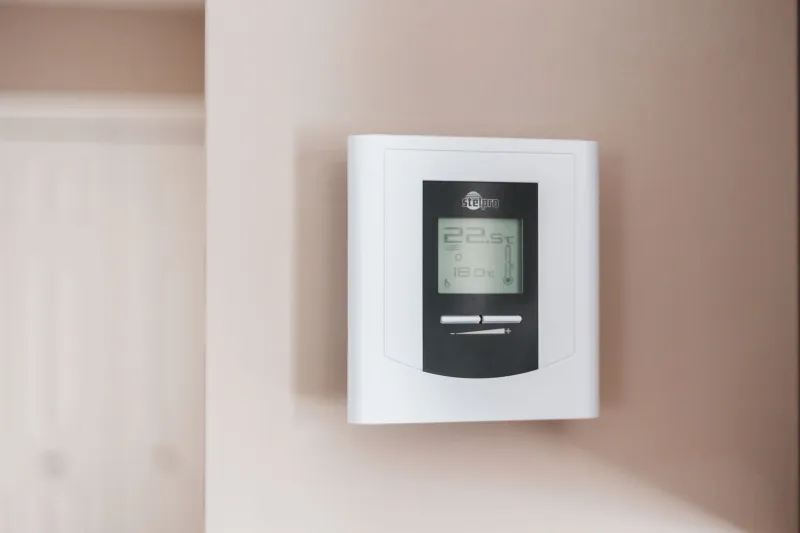
- Smart thermostat: 1 to 3 watts, continuously
- Video doorbell: 1 to 5 watts in standby; 5 to 10 watts during active recording
- Smart TV (standby mode): 0.5 to 3 watts
- Smart lighting hub: 1 to 4 watts, continuously
- Home security panel: 5 to 10 watts, continuously
None of these figures are alarming in isolation. But a home with fifteen to twenty connected devices maintaining standby power around the clock begins to add up. Running a conservative average of 3 watts across twenty devices continuously equates to roughly 60 watts of constant draw—or approximately 526 kilowatt-hours (kWh) per year. At the national average electricity rate of around $0.16 per kWh, that translates to roughly $84 per year just in standby consumption. Homes in states with higher rates, such as California, Massachusetts, or Connecticut, may see that figure double.
Calculating Your Own Smart Home Energy Footprint
Getting an accurate picture of your home's smart device consumption requires only basic arithmetic and a few minutes of attention. The formula is straightforward:
Daily kWh = (Watts × Hours Used Per Day) ÷ 1,000
For a device running continuously, "hours used per day" is simply 24. For a smart speaker that you actively use two hours daily but remains in standby for the other twenty-two, calculate both periods separately using the appropriate wattage values, then add them together.
To find the annual cost, multiply your daily kWh figure by 365, then multiply by your local electricity rate (found on your utility bill, typically expressed as cents per kWh).
For households with smart TVs, gaming consoles with smart features, connected appliances, and multiple streaming devices, this exercise often reveals annual phantom load costs between $150 and $300—money spent on devices that are, for all practical purposes, doing nothing.
Why Your Electrical System Matters As Much As the Devices
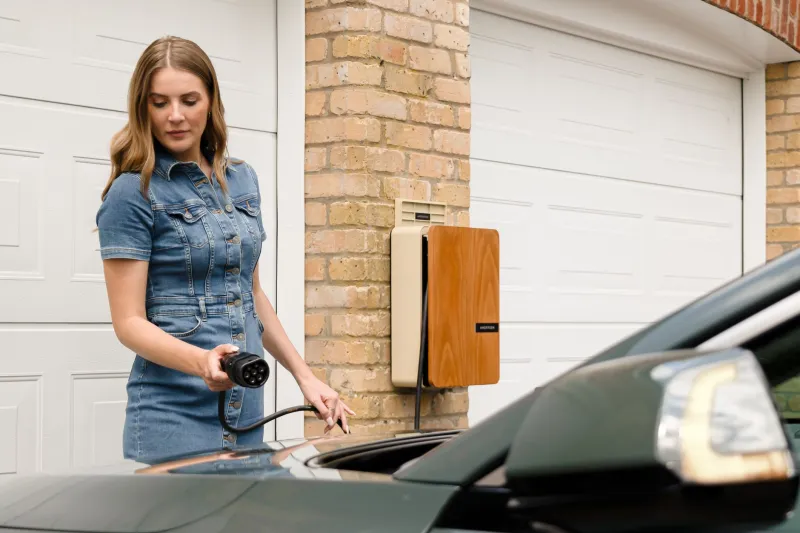
Beyond individual device consumption, the broader question of how your home's electrical infrastructure handles the cumulative load of smart technology deserves serious attention. Many American homes—particularly those built before the 1990s—were designed for a far simpler electrical landscape. Adding smart lighting throughout every room, installing EV chargers, running multiple streaming devices simultaneously, and maintaining a home office with always-on equipment can stress circuits that were never engineered for this kind of sustained demand.
Several indicators suggest your electrical system may be struggling to keep pace:
- Frequent circuit breaker trips, especially in rooms with high concentrations of smart devices
- Flickering or dimming lights when multiple devices activate simultaneously
- Warm outlet covers or switch plates, which may indicate circuits operating near capacity
- Unexplained increases in utility bills that don't correspond to visible changes in usage habits
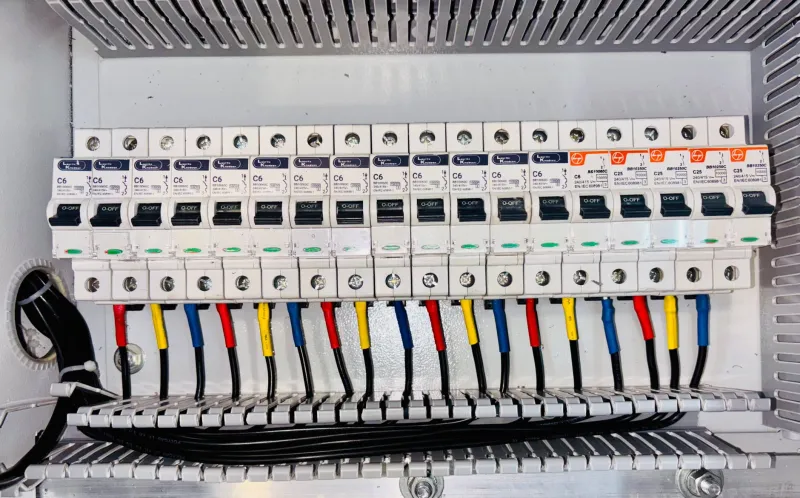
These symptoms warrant a professional electrical assessment. A licensed electrician can evaluate your panel's capacity, identify circuits that are overloaded, and recommend targeted upgrades—whether that means adding dedicated circuits for high-demand equipment, upgrading to a larger service panel, or installing smart circuit breakers that provide real-time consumption monitoring.
Practical Strategies for Reducing Smart Home Energy Waste
Optimizing a smart home for efficiency doesn't require sacrificing the features you value. Several practical measures can meaningfully reduce phantom load without compromising functionality.
Use smart power strips strategically. Smart power strips detect when a primary device—such as a television—enters standby mode and automatically cut power to peripheral devices like streaming sticks and sound systems. This eliminates the standby draw from an entire entertainment cluster with no manual effort.
Schedule device activity thoughtfully. Most smart home platforms, including Google Home, Amazon Alexa, and Apple HomeKit, allow you to create schedules that power down devices during predictable low-use periods, such as overnight or during work hours.
Audit your router and networking equipment. A router running continuously at 15 to 20 watts is one of the larger persistent loads in a smart home. Newer WiFi 6 and WiFi 6E routers are generally more energy-efficient than older models and handle the demands of dense smart home networks more effectively.
Consolidate where possible. Replacing multiple single-purpose smart hubs with a unified platform reduces the total number of always-on devices maintaining network connections.
Consider a home energy monitor. Devices such as the Sense Energy Monitor or Emporia Vue install directly into your electrical panel and provide circuit-level consumption data in real time. This visibility allows homeowners to identify unexpected loads and verify the impact of efficiency changes.
The Bigger Picture: Smart Technology and Smart Infrastructure
The promise of smart home technology is genuine—programmable thermostats consistently demonstrate energy savings, automated lighting reduces unnecessary consumption, and connected appliances can shift energy use to off-peak rate periods. But realizing those benefits requires that the underlying electrical system be properly configured to support them.
At SK Electricals, our view is straightforward: smart devices perform best in homes with smart electrical infrastructure. That means adequate panel capacity, properly rated circuits, and wiring that meets current code standards. If your home hasn't had a professional electrical assessment in recent years, and you've added meaningful smart home technology in that time, scheduling an evaluation is a practical step toward both safety and efficiency.
The goal isn't to discourage connected living. It's to ensure that the technology serving your household is supported by an electrical system capable of doing so reliably, safely, and at a cost that doesn't quietly undermine the savings you're working toward.