Your Home Was Built for a Different Era: How Rising Electrical Demand Is Outpacing What Most Houses Can Handle
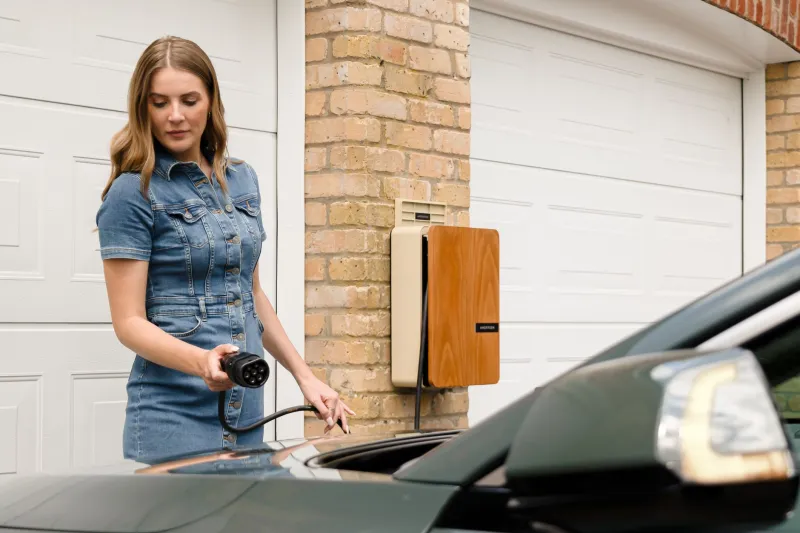
The average American home built before 1990 was designed around a set of electrical assumptions that no longer reflect how people live. A 100-amp service panel—standard in millions of homes across the country—was adequate when the heaviest loads in a household were a central air conditioner, an electric range, and a clothes dryer. Today, that same panel may be asked to support two electric vehicles, a heat pump system, a tankless water heater, a home office, and an array of smart devices running continuously.
The infrastructure has not kept pace with the lifestyle. And the consequences of that gap are showing up in tripped breakers, degraded appliance performance, rising utility costs, and in some cases, genuine fire hazards from chronically overloaded systems.
Understanding Electrical Capacity: What the Numbers Mean
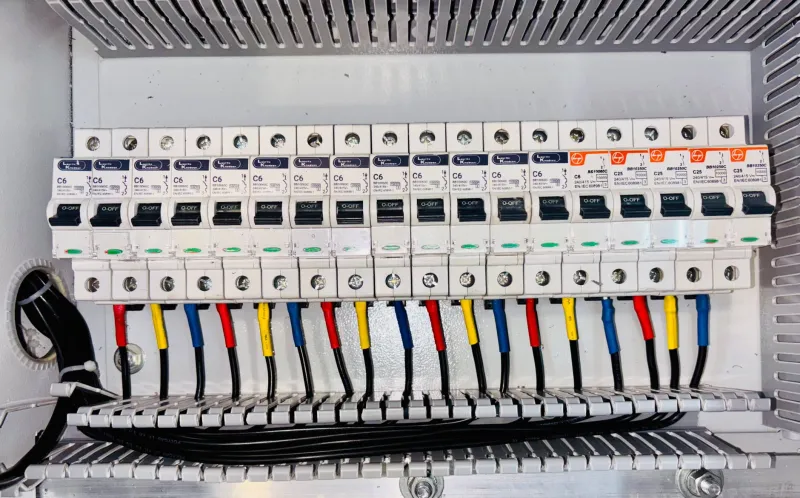
A home's electrical service capacity is measured in amperes, and it determines the total amount of electrical current the system can safely deliver at any given moment. Most homes built between 1950 and 1980 were equipped with 60-amp or 100-amp service. Homes constructed from the 1990s onward more commonly received 150-amp or 200-amp service, though 100-amp installations remained common in smaller and lower-cost construction.
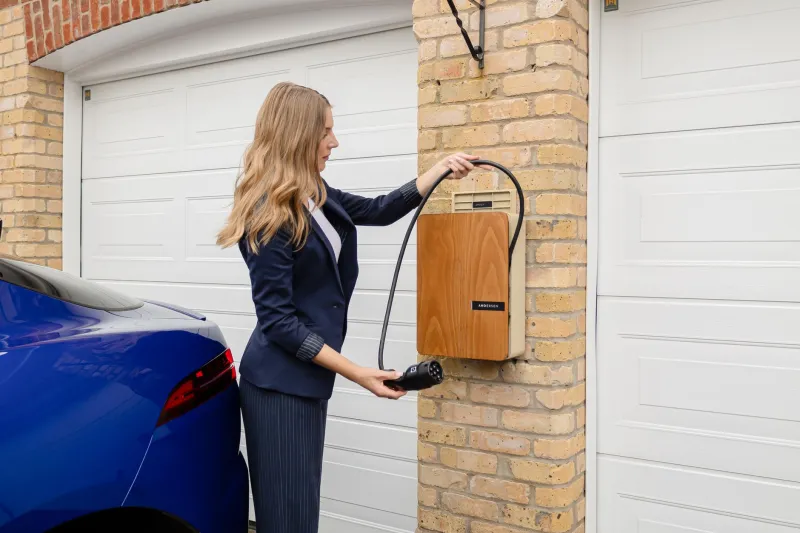
The shift toward electrification has fundamentally changed the math. A Level 2 EV charger alone draws between 24 and 48 amps depending on its configuration. A heat pump water heater typically requires a dedicated 30-amp circuit. A central heat pump system for a mid-sized home adds another 15 to 50 amps depending on the unit's capacity. Stack these against an aging 100-amp panel that is already serving a full household, and the arithmetic becomes unfavorable quickly.
Regional Differences: Why Location Shapes Your Electrical Needs
Electrical demand does not look the same across the United States. Climate, housing stock, utility infrastructure, and state-level incentive programs all influence what homeowners in different regions are likely to encounter—and what upgrades they are most likely to need.
The Northeast and Mid-Atlantic
States including Massachusetts, New York, New Jersey, and Connecticut are home to some of the oldest residential housing stock in the country. A significant portion of the Northeast's single-family homes predate 1970, meaning 60-amp and even 40-amp services are not uncommon. These states also have aggressive electrification mandates and strong EV adoption rates, creating a particularly acute mismatch between existing capacity and future demand. Homeowners in this region should treat panel assessment as a near-term priority rather than a future consideration.
The Southeast
In states like Georgia, Florida, the Carolinas, and Tennessee, the dominant challenge is cooling load. Heat pump adoption is accelerating in this region due to the climate's suitability for heat pump efficiency, and the combination of high-capacity HVAC systems with growing EV penetration is pushing many homes toward the limits of their existing service. Florida in particular has seen rapid growth in solar-plus-storage installations, which add complexity to the electrical system and typically require panel upgrades to accommodate the additional circuits.
The Midwest
The Midwest presents a dual-season challenge. Heating loads in winter and cooling loads in summer create pronounced peaks in electrical demand. Older housing stock in cities like Chicago, Detroit, Cleveland, and Indianapolis often carries legacy wiring configurations—including aluminum branch-circuit wiring from the 1960s and 1970s—that compound the capacity issue with a material compatibility concern. Homeowners in these markets often face a two-part project: addressing wiring concerns first, then upgrading service capacity.
The West and Pacific Coast
California, Oregon, and Washington are leading the country in electrification policy. California's Title 24 building standards have driven new construction toward all-electric configurations, and the state's ban on new natural gas hookups in many municipalities is accelerating the conversion of existing homes. EV ownership in California is the highest in the nation. The result is that panel upgrade demand in the Western states is both high and well-established—contractors in this market are experienced with the work, which contributes to somewhat more competitive pricing than in regions where the volume is lower.
Recognizing the Warning Signs
Capacity problems rarely announce themselves dramatically. More often, they present as minor inconveniences that homeowners attribute to other causes.
Frequently tripping circuit breakers—particularly when multiple high-draw appliances run simultaneously—are a consistent indicator of a system operating near its limits. Lights that dim when a large appliance cycles on suggest voltage fluctuation consistent with an overloaded service. Outlets or switch plates that are warm to the touch, a persistent burning smell without an obvious source, or a panel that feels warm on the exterior are more serious indicators that require immediate professional attention.
For homeowners considering adding an EV charger, a heat pump, or any other significant new load, a professional load calculation before installation is not optional—it is the responsible starting point.
What a Panel Upgrade Involves and What It Costs
Upgrading from a 100-amp to a 200-amp service is the most common panel upgrade in the US residential market. The project typically involves replacing the main service panel, upgrading the meter base if required by the utility, and coordinating with the utility company for a service disconnect during the work. In many jurisdictions, the utility itself must upgrade the service entrance cable from the street.
Cost ranges vary considerably by region and housing type. As a general reference:
- 100-amp to 200-amp upgrade: $1,500 to $4,000 in most US markets, with higher costs in dense urban areas and lower costs in rural markets with less labor competition.
- 200-amp to 400-amp upgrade: $3,500 to $8,000 or more, depending on whether the utility infrastructure requires modification and whether the home's internal distribution needs reconfiguration.
- Permit and inspection fees: Typically $100 to $500 depending on the municipality, and always required for this class of work.
Timelines are generally one to two days for the electrical work itself, with utility coordination adding anywhere from a few days to several weeks depending on the local utility's scheduling backlog.
Federal and State Incentives Worth Knowing
The Inflation Reduction Act of 2022 created meaningful financial incentives for electrical upgrades connected to energy efficiency and electrification. The High-Efficiency Electric Home Rebate Act (HEEHRA), administered through state energy offices, provides rebates for panel upgrades when they are performed in conjunction with qualifying electrification projects such as heat pump installation or EV charger installation. Income-qualified households may receive rebates covering a substantial portion of upgrade costs.
Additionally, the federal residential clean energy credit covers a portion of costs associated with solar installations, which frequently require accompanying panel work. Homeowners should consult with their state energy office or a qualified electrician to understand what incentives are currently available in their specific location, as program availability and funding levels vary.
Planning Ahead: The Smarter Approach
The homeowners who navigate the electrification transition most smoothly are those who assess their electrical capacity before they need it rather than after a new appliance has already been purchased or a charger installation has been declined. A licensed electrician can perform a load calculation—a formal assessment of current and projected demand against existing service capacity—that gives a homeowner a clear picture of where they stand and what, if anything, needs to change.
For homeowners planning to purchase an EV within the next two years, install a heat pump system, or add solar, scheduling that assessment now is the practical move. Lead times for panel upgrades and utility coordination have lengthened in many markets as demand for this work has increased. Getting ahead of the timeline avoids the frustration of having a new vehicle or appliance that cannot be fully utilized while waiting for infrastructure work to catch up.
SK Electricals works with homeowners across the country to assess existing electrical capacity, plan upgrades that accommodate both current and future needs, and coordinate the permitting and inspection process from start to finish. The transition to a more electrified home is not a question of if—it is a question of when, and whether the infrastructure will be ready when the time comes.