What Landlords Learn Too Late: The Electrical Liabilities Hiding Inside Rental Properties
Owning rental property is often described as passive income. In practice, it is anything but passive—particularly when the electrical systems inside those units have been quietly deteriorating for years, modified without permits, or simply never updated to meet the demands of modern tenants. For landlords across the United States, the electrical condition of a rental unit is not merely a maintenance concern. It is a legal, financial, and safety liability that can surface in the most costly ways imaginable.
The challenge is that electrical problems in rental properties tend to remain invisible until they become emergencies. Tenants may notice flickering lights or warm outlet covers and say nothing, assuming it is normal. Landlords, often managing multiple properties at a distance, have no reliable way of knowing what is happening inside the walls. By the time a circuit fails, a fire marshal issues a violation notice, or a tenant files a complaint with local housing authorities, the accumulated neglect has already compounded into something far more expensive than routine maintenance would have been.
The Anatomy of Deferred Electrical Maintenance
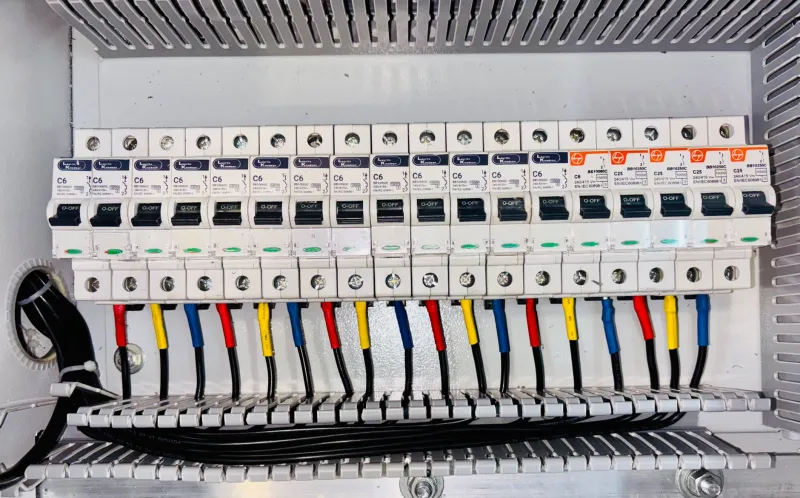
Deferred maintenance is a term that sounds clinical, but its effects are anything but abstract. In the context of rental property electrical systems, it typically looks like this: an aging panel that was adequate for a home built in the 1970s but is now expected to power multiple high-draw appliances, window air conditioning units, and a rotating cast of electronics. Breakers that trip repeatedly get reset without investigation. Outlets that stop working get avoided rather than repaired. Extension cords become permanent fixtures.
Each of these scenarios represents not just an inconvenience but a measurable increase in risk. Overloaded circuits generate heat. Heat degrades insulation. Degraded insulation creates arc faults. Arc faults are among the leading causes of residential electrical fires in the United States, according to the U.S. Fire Administration. In a rental unit where a landlord has limited visibility into day-to-day conditions, these risks can compound for months or years before any visible symptom appears.
The financial consequence of this pattern is rarely a single catastrophic event, though that does happen. More commonly, it is a series of escalating costs: an emergency electrician called at 11 p.m. on a Saturday, a tenant withholding rent under state habitability laws, a failed inspection that delays a new lease, or a municipality-issued notice of violation that requires immediate remediation.
Unpermitted Modifications and the Compliance Trap
Among the more serious—and more common—problems found in rental properties is unpermitted electrical work. This occurs when a previous owner, a prior tenant, or even a well-intentioned handyman made modifications to the electrical system without obtaining the required permits or having the work inspected by a licensed electrician.
Unpermitted work is not simply a paperwork issue. It represents electrical modifications that were never verified to meet local or national code standards. A subpanel added in a garage, a bathroom outlet installed without GFCI protection, or additional circuits run through an attic without proper materials or clearances—these are all modifications that may appear functional on the surface while carrying significant risk beneath it.
For landlords, the compliance trap works like this: if a tenant is injured or property is damaged as a result of unpermitted electrical work, insurance carriers frequently deny or reduce claims on the grounds that the property was not code-compliant. In some states, landlords who knowingly rent units with known code violations may face civil liability that extends well beyond the cost of repairs. And when a property is sold, unpermitted work discovered during the buyer's inspection can derail the transaction entirely or force a significant price reduction.
The problem is compounded by the fact that many landlords who inherit a property through purchase or inheritance have no record of what modifications were made before their ownership began. Without a comprehensive electrical assessment conducted by a licensed contractor, these hidden liabilities remain invisible on the balance sheet.
Tenant Disputes and the Habitability Standard
Every state in the United States maintains some version of an implied warranty of habitability—a legal standard that requires rental units to be safe and livable. Electrical systems are central to that standard. Heating systems that rely on electricity, functioning outlets, adequate lighting in common areas, and protection from fire hazards are all components of a habitable unit.
When electrical systems fail to meet that standard, landlords face a range of legal exposures. In many jurisdictions, tenants have the right to withhold rent, repair the deficiency and deduct the cost from rent, or terminate the lease without penalty if habitability conditions are not remedied within a reasonable timeframe. Some states allow tenants to pursue damages in small claims court or file complaints with local housing authorities, triggering inspections that may uncover additional violations.
These disputes are not hypothetical. They are routine outcomes of deferred electrical maintenance, and they disproportionately affect landlords who manage their properties reactively rather than proactively. A single tenant complaint, if it leads to a municipal inspection, can expose an entire building's worth of unresolved electrical deficiencies.
The Case for Proactive Electrical Assessment
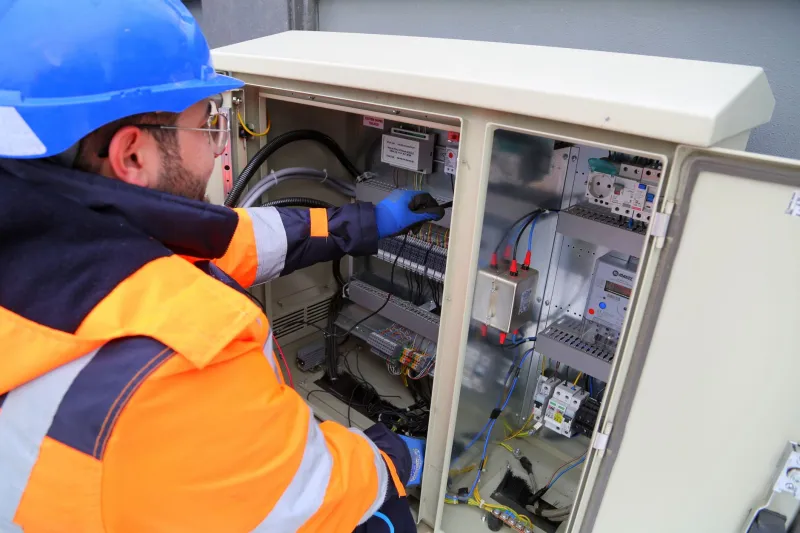
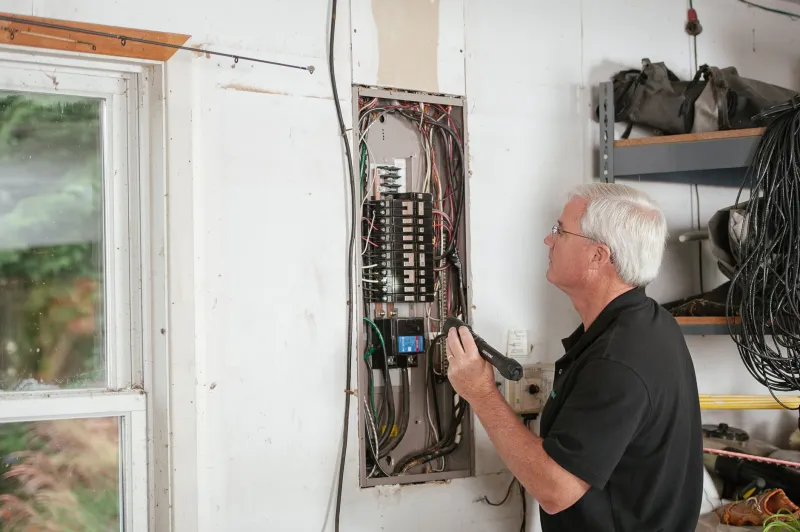
The most effective way to manage electrical liability in a rental property is not to respond to problems as they arise but to identify and address them before they escalate. A comprehensive electrical assessment conducted by a licensed electrical contractor provides landlords with a clear picture of the system's current condition, any existing code violations, the age and capacity of the panel, the state of wiring throughout the unit, and the adequacy of safety devices such as GFCI and AFCI protection.
This kind of assessment is particularly important at three specific moments in a rental property's lifecycle: before purchasing a property, before listing a vacant unit for lease, and at regular intervals during long-term tenancies. Each of these represents an opportunity to identify and correct problems at a lower cost than emergency remediation—and before a tenant, an inspector, or an insurance adjuster finds them first.
For landlords managing older properties—those built before 1980, when aluminum wiring, ungrounded outlets, and undersized panels were common—the urgency of this assessment is even greater. The electrical infrastructure in these buildings was not designed for the load demands of contemporary life, and the gap between what the system was built to handle and what tenants actually plug in continues to widen.
Protecting the Investment That Protects You
Rental property is, at its core, a long-term financial asset. Its value depends on its condition, its compliance with local regulations, and its ability to attract and retain tenants. An electrical system that is outdated, overloaded, or modified without authorization is not a minor footnote in that calculation—it is a foundational risk that touches every dimension of the property's value.
Landlords who treat electrical assessments as an optional expense rather than a standard component of property management are, in effect, borrowing against the future. The debt accumulates quietly, in aging insulation and undersized breakers and ungrounded outlets, until the moment it comes due. And when it does, the cost is rarely limited to the electrical repair itself.
At SK Electricals, we work with property owners across the country to evaluate, repair, and upgrade the electrical systems in residential rental units and multi-family buildings. Our licensed contractors bring the expertise to identify what is not visible on the surface and the practical knowledge to bring those systems into compliance efficiently and cost-effectively. If you manage rental property and have not had a professional electrical assessment conducted recently, now is the right time to schedule one.