Upgrade Your Home's Electrical System in 2024: A Practical Roadmap for Smart Living and EV Readiness
The average American home was built for a very different era of energy consumption. Electrical systems designed decades ago were engineered around refrigerators, televisions, and lighting — not electric vehicle chargers, server-grade home automation hubs, and whole-home battery backup systems. As technology advances and energy demands evolve, the gap between what an older home can deliver and what modern living requires is growing wider every year.
2024 is an excellent time to reassess your home's electrical foundation. Federal incentives, falling equipment costs, and increasing EV adoption have aligned in a way that makes upgrades both financially accessible and practically urgent. This guide covers the key improvements worth considering, in order of impact and priority.
1. Panel Upgrade: The Foundation of Everything Else
If your home still operates on a 100-amp electrical panel — common in houses built before the 1990s — virtually every other upgrade on this list will require addressing this first. A 100-amp service was adequate for the appliance loads of a previous generation, but it cannot reliably support a modern home that includes an EV charger, electric water heater, induction range, heat pump, and smart home equipment running simultaneously.
Upgrading to a 200-amp panel, or in some cases a 400-amp service for larger properties, creates the headroom your electrical system needs to accommodate present and future loads. This is not a cosmetic improvement — it is the structural prerequisite for everything that follows.
The process involves replacing the main service panel, often upgrading the service entrance conductors, and coordinating with your local utility. A licensed electrician handles this coordination and ensures the work meets your jurisdiction's current code requirements. SK Electricals has completed panel upgrades for homeowners throughout the country, and we consistently find that clients who invest here first avoid costly incremental upgrades later.
2. Dedicated EV Charging Circuit: Prepare for the Electric Vehicle Transition
Electric vehicle sales in the United States reached record levels in 2023 and projections for 2024 are higher still. Whether you currently own an EV, plan to purchase one within the next few years, or are preparing a home for resale, installing a dedicated Level 2 EV charging circuit is one of the highest-return electrical upgrades available today.
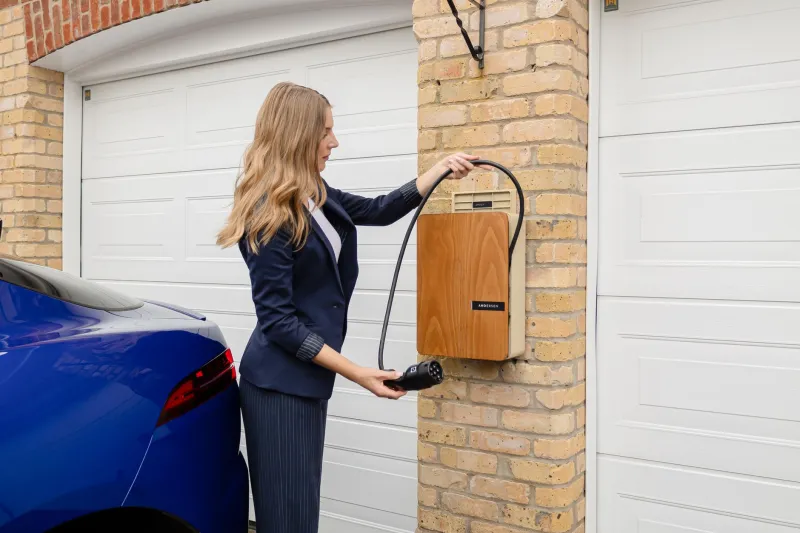
A Level 2 charger operates on a 240-volt circuit and can fully charge most EVs overnight — a dramatic improvement over the trickle-charge rate of a standard 120-volt household outlet. The circuit itself requires a dedicated 50-amp or 60-amp breaker and appropriate wiring run from the panel to the garage or exterior charging location.
The Inflation Reduction Act of 2022 extended tax credits for EV charging equipment installation through 2032, covering up to 30 percent of installation costs for qualifying residential installations. Homeowners who act in 2024 can take advantage of this credit while also positioning their property as EV-ready — a feature that is increasingly valued in the residential real estate market.
3. Whole-Home Smart Panel Integration
Next-generation smart panels from manufacturers such as Span and Leviton are changing the way homeowners interact with their electrical systems. Unlike traditional panels, smart panels provide circuit-level energy monitoring, remote control via smartphone, and integration with home batteries and solar systems — all through a single interface.
For homeowners building toward a more automated, energy-efficient household, a smart panel upgrade is a logical step. It enables load management that can reduce utility bills, prioritizes critical circuits during outages, and provides granular data about which appliances are consuming the most power.
Installation of a smart panel requires the same licensing and permitting as any panel replacement, and the integration with solar or battery systems adds additional complexity. SK Electricals works with multiple smart panel platforms and can design an installation that aligns with your existing infrastructure and long-term goals.
4. Dedicated Circuits for High-Draw Appliances
Modern kitchens, home offices, and entertainment spaces place concentrated electrical loads on circuits that were never designed to carry them. Induction ranges, high-performance refrigerators, chest freezers, and professional-grade espresso machines all benefit from dedicated circuits that eliminate competition with other devices on a shared line.
In a home office context, dedicated circuits for workstations, monitors, and networking equipment reduce the risk of nuisance tripping and protect sensitive electronics from voltage fluctuations caused by other loads cycling on and off the same circuit.
Adding dedicated circuits is a relatively contained project compared to a full panel upgrade, but it still requires a licensed electrician to run new wire, install appropriate breakers, and verify that the panel has capacity to support the additions. This is a practical upgrade that pays dividends in convenience and equipment longevity.
5. Whole-Home Surge Protection
The proliferation of smart devices, connected appliances, and home electronics has made whole-home surge protection more relevant than ever. Individual plug-in surge protectors offer limited defense against the voltage spikes that can occur during lightning events, utility switching operations, or large motor startups within the home itself.
A whole-home surge protector installs directly at the main panel and intercepts surges before they reach any device in the house. For a relatively modest investment — typically a few hundred dollars including installation — this upgrade protects thousands of dollars worth of electronics, smart home equipment, and appliances.
For homes with solar installations or battery storage systems, surge protection is particularly important, as inverters and battery management systems are sensitive to voltage irregularities.
6. USB and Smart Outlet Upgrades
This is the most accessible item on this list, but it is worth including for the cumulative value it delivers. Replacing standard outlets throughout a home with combination USB/AC outlets, tamper-resistant receptacles, or smart outlets compatible with home automation platforms is a relatively low-cost upgrade that modernizes day-to-day usability.
Smart outlets can be integrated with platforms such as Amazon Alexa, Google Home, or Apple HomeKit, enabling voice control and automated scheduling. In high-traffic areas such as kitchens, living rooms, and bedrooms, these upgrades reduce adapter clutter and improve functionality in ways that are immediately noticeable.
7. Outdoor and Garage Circuit Expansion
Outdoor living spaces have become a significant priority for American homeowners in recent years, and electrical infrastructure often lags behind the vision. Dedicated outdoor circuits for landscape lighting, patio heaters, outdoor kitchens, and workshop equipment in detached garages require weatherproof wiring, appropriate outlet ratings, and GFCI protection.
For homeowners who use their garage as a workshop or hobby space, a subpanel installation in the garage itself is often the most practical solution — providing ample circuit capacity without running multiple long wire runs back to the main panel.
Planning Your Upgrade Path
Not every homeowner needs every item on this list, and the right sequence of upgrades depends on your current electrical capacity, your technology goals, and your budget. The most effective approach is to begin with a professional electrical assessment that identifies existing limitations and maps out a phased upgrade plan.
SK Electricals provides comprehensive electrical assessments for homeowners and businesses across the country. Our licensed electricians evaluate your current system, discuss your short- and long-term needs, and deliver a clear, prioritized upgrade roadmap — without pressure and without guesswork.
The homes that will be most comfortable, efficient, and valuable in five years are the ones whose owners make deliberate electrical decisions today. The infrastructure you invest in now determines what your home is capable of tomorrow.