What Your Electrical Panel Won't Tell You: The True Price of Going It Alone
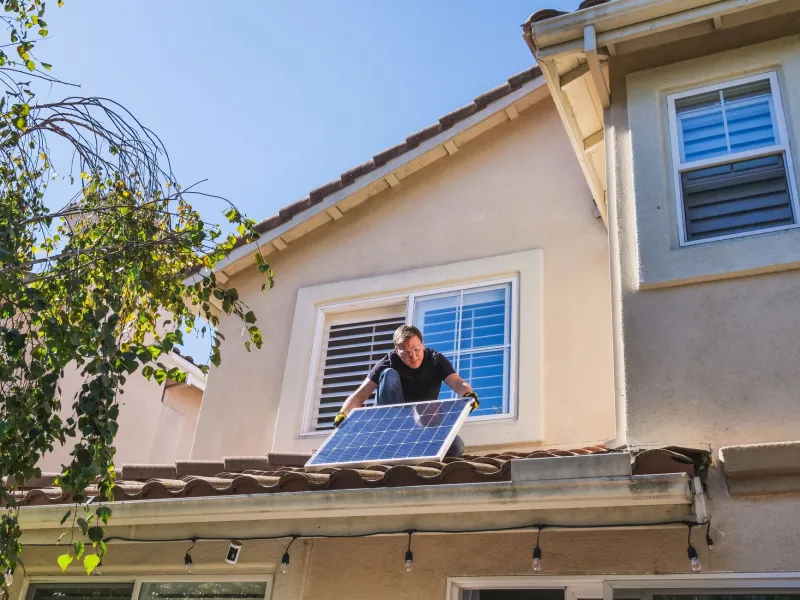
There is an enduring appeal to handling home repairs yourself. Hardware stores across the country market electrical supplies to general consumers, online tutorials make rewiring a switch look deceptively simple, and the upfront cost of a licensed electrician can feel like an unnecessary expense — especially when the job appears straightforward. But electrical systems are among the most consequential and least forgiving systems in any building, and the gap between what a repair looks like and what it actually involves is often significant.
At SK Electricals, we work with homeowners and small business owners every week who come to us after a DIY attempt went sideways. What follows is an honest look at where those projects tend to go wrong, and why professional electrical work is an investment rather than an expenditure.
The Illusion of Savings
The math seems simple at first glance. A licensed electrician might charge several hundred dollars for a job that appears to require only a new outlet and thirty minutes of work. A homeowner can purchase the same outlet for under ten dollars. The perceived savings are obvious — until they are not.
What that calculation omits is the cost of errors. Incorrect wiring at a single outlet can create a ground fault condition that damages connected appliances, trips breakers repeatedly, or, in the worst cases, generates heat inside the wall cavity that eventually causes a fire. The National Fire Protection Association has consistently reported that electrical failures and malfunctions are among the leading causes of residential fires in the United States. A significant proportion of those incidents trace back to improper installation.
Replacing a damaged appliance, repairing fire-related structural damage, or paying for emergency electrical remediation costs exponentially more than the original professional quote would have. The savings, in retrospect, were never real.
Code Compliance: A Non-Negotiable Standard
Every state and municipality in the United States enforces electrical codes derived from the National Electrical Code (NEC), published by the National Fire Protection Association. These codes govern everything from wire gauge selection to the placement of outlets in kitchens and bathrooms. They exist because decades of research and incident data have demonstrated what safe electrical installation looks like.
DIY electrical work frequently runs afoul of these codes — not because homeowners are careless, but because the codes are detailed, updated regularly, and require professional training to apply correctly. When a home is sold, refinanced, or inspected, non-compliant electrical work becomes a documented liability. Buyers may demand remediation as a condition of sale. Lenders may require a clean electrical inspection before approving financing.
The cost of bringing non-compliant work up to code after the fact is almost always higher than the cost of doing it correctly the first time, because remediation often involves opening walls, replacing materials, and re-permitting work that was never permitted to begin with.
The Permit Problem
Many homeowners are unaware that electrical work beyond basic fixture replacement typically requires a permit in most U.S. jurisdictions. Pulling a permit means the work will be inspected by a licensed electrical inspector who verifies code compliance before the walls are closed. This process protects the homeowner.
When DIY work is done without a permit, the homeowner assumes full legal and financial liability for anything that results from that work. Insurance companies investigate claims carefully, and unpermitted electrical work is a common basis for claim denial. A house fire traced to an unpermitted outlet installation may result in the insurer refusing to cover the loss entirely — leaving the homeowner responsible for rebuilding costs that can reach hundreds of thousands of dollars.
Licensed electricians handle the permitting process as part of the job. It is not an administrative inconvenience; it is a layer of protection for the property and everyone in it.
Homeowner's Insurance: The Fine Print Matters
Most standard homeowner's insurance policies contain language that limits or eliminates coverage when damage results from work performed by unlicensed individuals. This clause is easy to overlook when reviewing a policy, but insurers apply it consistently when processing claims.
Beyond fire damage, consider the scenario of an electrical fault that damages a neighbor's property, or causes injury to a family member. Liability claims in these situations can be substantial. If the underlying cause is traced to unpermitted or non-code-compliant electrical work, the homeowner's insurance policy may offer little or no protection.
Professional electricians carry both general liability insurance and, in most states, are required to be bonded. When SK Electricals completes a job, our clients are protected not only by our workmanship but by our insurance coverage. That protection has real monetary value.
Safety Hazards That Cannot Be Undone
Beyond the financial calculus, there are consequences that no amount of money can reverse. Electrical shock injuries range from minor burns to cardiac events. Children and pets are particularly vulnerable to improperly wired outlets and exposed conductors. Carbon monoxide risks from improperly installed electrical heating elements are less commonly discussed but equally serious.
A licensed electrician brings years of training and hands-on experience to every job. They recognize conditions that an untrained person would not — a panel that is already overloaded, aluminum wiring that requires special handling, or a ground that is not actually grounded. These are the details that determine whether a home is safe or a liability.
When Professional Help Is the Only Logical Choice
There are certain electrical tasks that homeowners can legally and safely perform in most jurisdictions — replacing a light switch, swapping out a fixture, or resetting a tripped breaker. Beyond those basic tasks, the risk-to-reward ratio shifts decisively in favor of professional service.
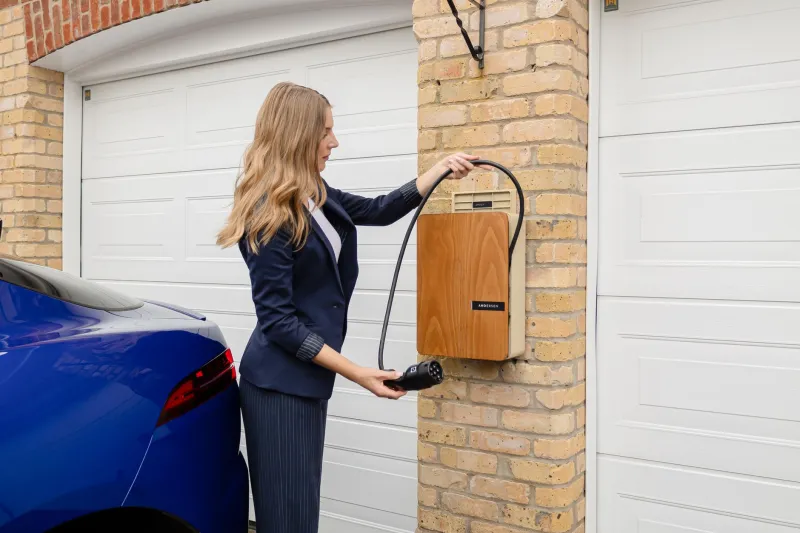
Panel upgrades, new circuit installation, EV charger wiring, whole-home rewiring, and commercial electrical work are not areas where experimentation is appropriate. These are jobs where the consequences of error are severe and the value of expertise is demonstrable.
SK Electricals serves homeowners and businesses across the country with licensed, insured, and code-compliant electrical services. Our technicians are trained to current NEC standards, and every project we complete is documented and permitted where required. We are not simply selling a service — we are offering the assurance that the work will be done right, the first time, with full accountability.
The next time a DIY electrical repair seems like the economical choice, consider the full ledger. The true cost of going it alone is almost always higher than it appears.